
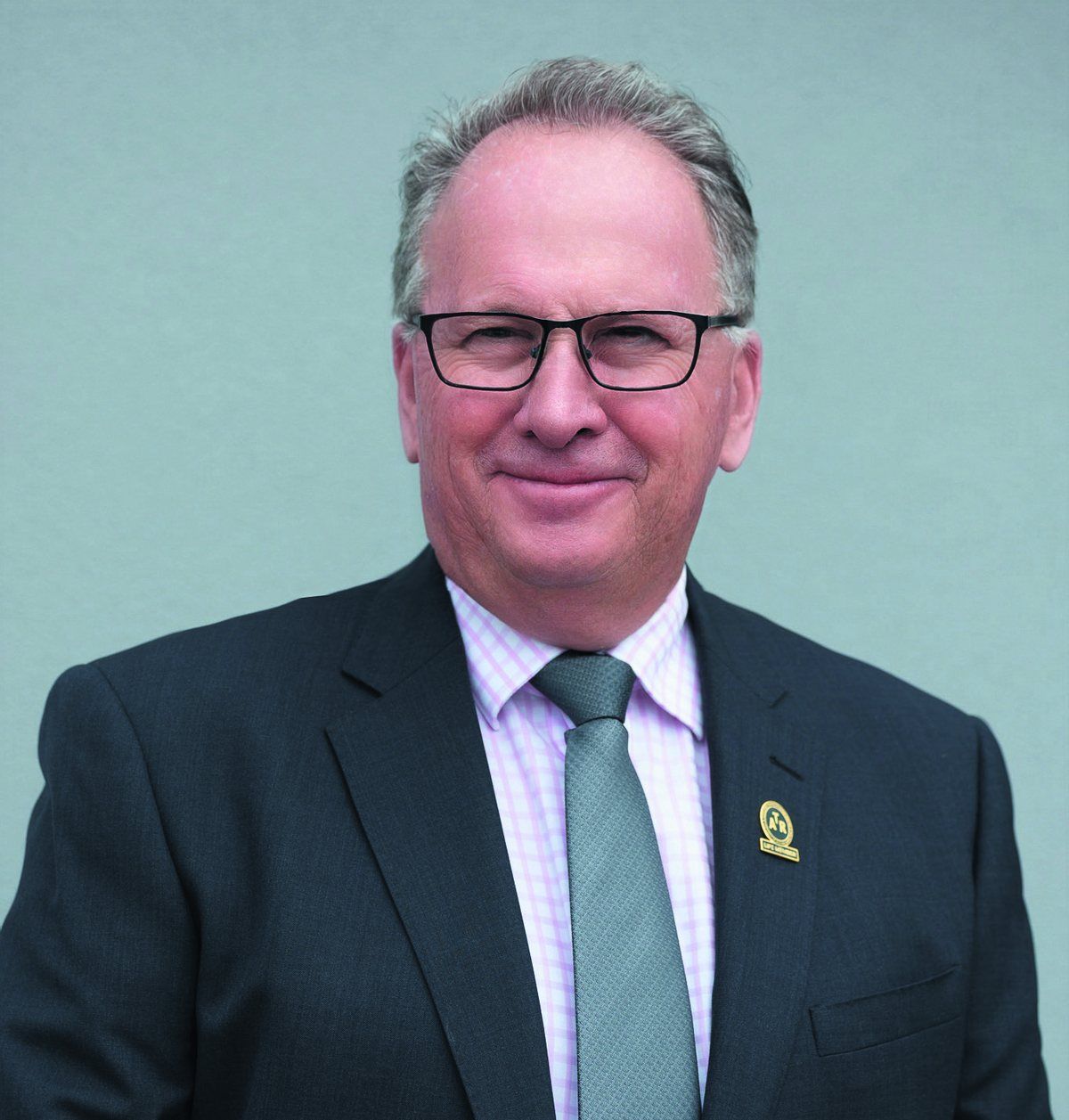
Russell Warwick
Westbury Stud’s Russell Warwick is one of the best known and respected figures in the New Zealand thoroughbred industry. With the recent announcement that from August 1 he takes his place as Chairman of the New Zealand Thoroughbred Racing Board, Bluebloods had a chat about his past, present and future.
My parents bought an agistment property when I was 13 and my father had had some exposure to horses previously. But until then I had not ridden or even touched a horse. But when horses came into my life it was like someone had turned a light on and I knew that this is what I would be doing for the rest of my life. Within two years I had learned to ride, I was riding track work and had an amateur rider’s licence.
What was your first job?
I was working in an accountancy office but after about a year or so of realising that everything I thought about was horses and racing I decided that that’s where I had to be so I left; much to my parent’s dismay!
What were your first jobs with horses?
My first foray was at Windsor Park stud with Nelson and Sue Schick. One of the horses on the roster at the time was one of the most popular stallions in New Zealand, Silver Dream. During my second season there Leilani visited him, she had such a huge following and a high profile so that was pretty exciting. (The subsequent foal was the Group 2 placed multiple city winner Silver Lei). I worked as a stud groom at Windsor Park for a few years and when they relocated Patrick Hogan rang me.
He had only four permanent staff working for him at the time and one was leaving and he offered me the job; you don’t get job offers like that very often! Twelve months later he made me Cambridge Stud’s first foreman.
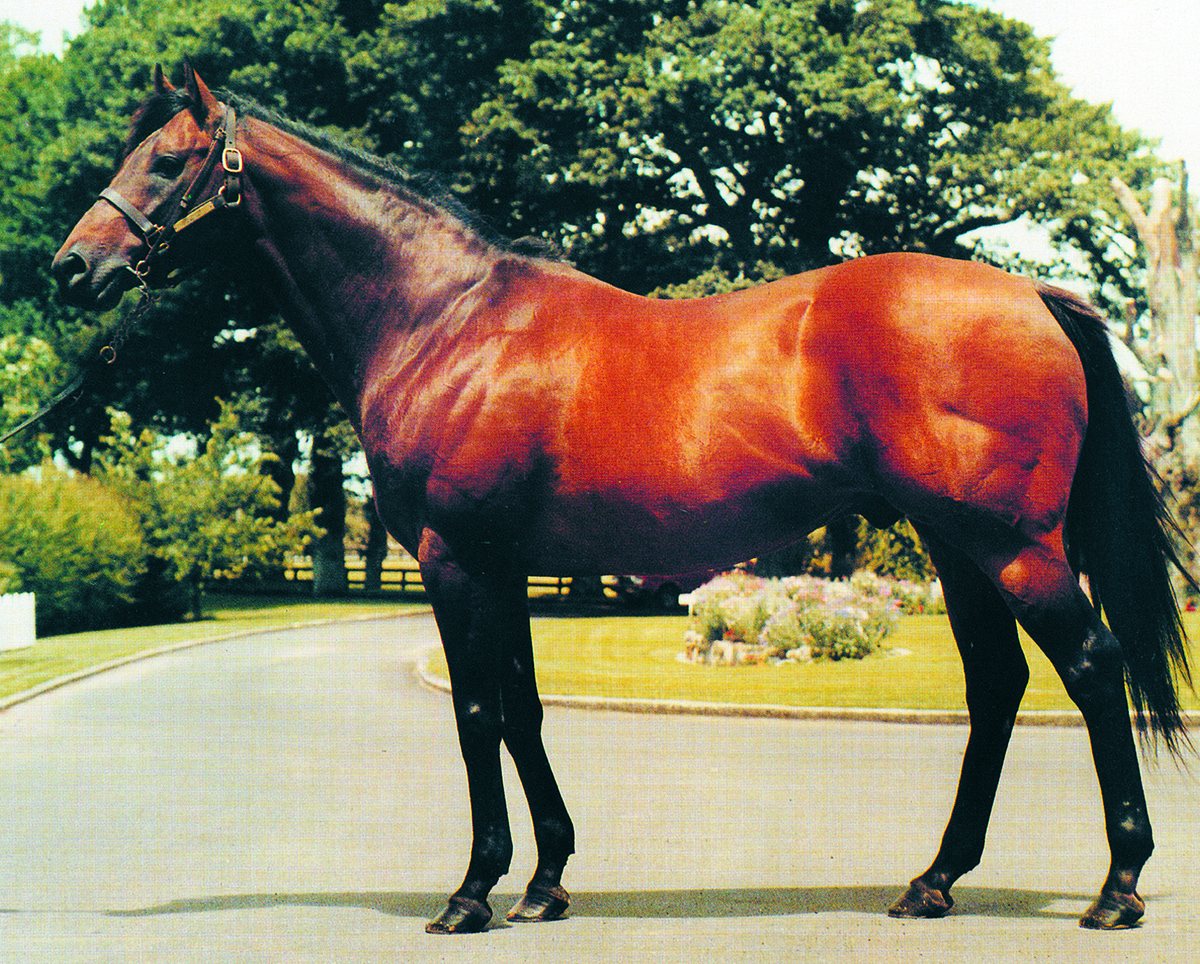
During your time at Cambridge Stud you worked with one of the legends of New Zealand breeding, tell us about Sir Tristram...
I was lucky enough to look after Sir Tristram for four years. He had a bad reputation and he was certainly a character but so long as you had respect for him and his routines he was ok; otherwise you paid the price! I remember one day a film crew from overseas coming to do a story on him. They set up at the end of his paddock with their camera in between the railings.
He spotted them, pinned his ears back and went full bore towards them; the camera fell, they fell! After he contested the Kentucky Derby (in which he was unplaced behind Cannonade), he had a small fracture in his pastern and had to be boxed for three months. It seems that he developed some of his bad traits during that time; you can just imagine a three year-old colt being locked up. There is a story that he picked up his groom and threw him out of the box.
We had a purpose built stall for him at Cambridge. It had a sliding door where you could reach in and tie him up, you could not go into a box with him loose. You just had to put in place devices and routines which he would accept. He was a horse who knew that he was good and racing in New Zealand and Australia would be a lot poorer if it was not for him, he has been an amazing influence; particularly for a horse whose first fee was just $1200.
When you look at his sire Sir Ivor, he was a relative disappointment as a sire of sires but Sir Tristram came from such a great family.
What was it like working for Sir Patrick Hogan?
When people ask about Sir Patrick Hogan many times the first thing they mention is that he was a master of his trade, building up the Cambridge brand and making it such a successful business. But for me, the first thing I think of is his wonderful horsemanship and his love of and passion for horses and for the industry. With only four of us working for him at Cambridge he was right there with us every day and I got to see how he caught horses, what he did with them and how extremely passionate he was about them.
I learned things that I now try to pass on to our staff. It was a golden time for me and for Cambridge, a host of very very good performers were coming out of the farm; they were winning races like the Melbourne Cup-Gr1, 3200m, the Caulfield Cup-Gr1, 2400m, the Golden Slipper-Gr1, 1200 and Oaks and Derbys.
Who are some of the horses and people you worked with?
We had Danzatore stand, at $10 million he was the most expensive horse ever imported to New Zealand. And I looked after a couple of very nice yearling fillies; Trichelle and Tristarc. Trichelle won the Marlboro (now the Sir Rupert Clarke) Stakes-Gr1,1400 whilst Tristarc won five Group 1 races. She was one of the toughest, most temperamental fillies I have ever worked with. I think if you took her to a sale today nobody would want her!
But Ross McDonald and Nick Columb saw something in her. Sadly when on her way back to New Zealand, Trichelle developed travel sickness and died upon arrival, not having the opportunity to expand on her wonderful bloodlines. I remember Eight Carat being served by Sir Tristram. Sir Patrick always liked to be hands-on but he was sick in bed that day and he left me an explicit list of instructions! She had Kaapstad at foot at the time.
A real milestone for Cambridge Stud was Sir Patrick introducing Robert Sangster to New Zealand. He bought 15 breeding rights in Sir Tristram and from his first crop bred Marauding and Kaapstad. I got to meet lots of amazing people whilst working there, from The Queen to top sportsmen and actors.
What was the next step of your thoroughbred career?
I had a year at Highview and then saw a job advertised as stud manager for Blandford Lodge. It was being set up as a public company with some very powerful people on the board, such as Dave O’Sullivan, Sir James Fletcher and Alan Galbraith. I got that job and spent a few years there, Imposing was our stallion at the time. It was during that period that I thought that time was right to go out on my own and I set up Westbury Stud.
We were the first and only farm specializing solely on breeding; broodmares, foaling down, weanling and sales preparation and I was very lucky to have the support of some great breeders like Sir Patrick. The first crop of foals born at Westbury included the Oakleigh Plate- Gr1,1100m winner Khaptingly and the South African Group 1 winner Fire Arch and with our first draft at the sales we were the leading vendor at Karaka Book 2.
And we had Sky Chase standing the year Saintly won the Melbourne Cup. So it was a great start, and then Eric Watson came to me with an idea for a partnership and we bred some very nice horses together. When he decided to move on, I was very lucky to have Gerry Harvey step in. New Zealand is very fortunate to have his involvement as is Australia, I think sometimes we overlook the significant contribution made by those sort of passionate investors.
What was the best piece of advice you have been given?
I refer back to one of New Zealand’s great trainers Jim Gibbs. He is a very deep thinker when it comes to his horses and he always said not to spend time worrying about the big picture. He said to concentrate on the day to day details and get those right, to have goals but not let them override your daily attention to detail.
If you get that right, the good things follow.
people starting off?
I said to a group of students recently that you need to think about the horse you are working with as having twice the amount of intelligence that you have. With that comes a respect and love for the horse and if you have that you will make the right decisions and you will go a long way. And you have to be consumed to be really good at anything, when you think about all the top sports people, they are all obsessed!
You can’t look at a career in racing just as a way of making money, you need the passion. To be prepared to take a job that may pay $20,000 less than another one but be happy doing what you are doing.
How do you relax away from work?
Studying pedigrees is my favourite thing! I am always looking at pedigrees, I love researching a stallion and designing matings. Having two of the horses which I planned the matings for - Bonneval and Sharp ‘N’ Smart - win three Championship titles in the last seven years is so gratifying. On a Saturday afternoon I just love to sit back and watch the races. (Proving his own point that one has to be obsessed about horses to succeed; his down time is also all about racing!)
What made you take on your recent appointment as NZTR Chairman?
I have been involved in some form of administrative racing roles for years. I had 16 years on the board of the Auckland Racing Club including three as Chairman; retiring two years ago. I have also been a Hall Of Fame board member, president of the Waikato Breeders Association and a member of the pattern review board. I did think that my time doing that sort of thing was behind me and when I was first encouraged to apply for the NZTR position I was not convinced at first.
But after a few conversations I decided to apply. There is a fantastic board in place which makes things easier, they have been together for four years and did a fantastic job getting through Covid. I think that you just can’t take from the industry and not put back into it. It is an exciting time for New Zealand racing and breeding and I am excited to be a part of it; it is a chance to work with great people and keep learning from them.
Tell us about a favourite stallion at present and from the past...
Redwood is flying under the radar, he doesn’t get the recognition he deserves. He is siring city winners in Australia, has had a Horse Of The Year; Sharp ‘N’ Smart as well as the Group 1 winner Rock On Wood. It is a real shame that his Hong Kong Group 3 winner Tuchel died, he was a really good horse for him. A horse I felt a real affinity for was Gold Brose. I just loved him, he was such a kind horse.
In every thing he did he tried to please, he was like a pet. And he was such a strong, muscular horse but so unlucky, you could write a book just about him. He was a $16,000 yearling with a trainer (Frank Lewis) who had only a few horses in work. He won the Silver Slipper Stakes-Gr2, 1100m at his first start (backed in from 140- 1 to 33-1) and despite not being nominated for the Golden Slipper he was pre-post favourite but couldn’t take his place after jumping a witches hat and injuring himself.
From a small number of mares he had amazing success (16 of his 167 winners being stakes winners) and he has been a champion broodmare sire (six Group 1 winners amongst 21 stakes winners). One day after a morning serve he coughed and we had him looked at. He had a high temperature and was treated for that, having a few days off. Next time he served a mare he coughed again and his lungs were found to be full of fluid; pneumonia.
The nearest veterinary clinic we could get him to was five hours away and by the time he got there secondary laminitis was setting in.
He was due to stand at our new farm at Karaka and we took him there where he is buried near the stallion’s barn. We still have photos of him in the office and last year my wife Lesley and I bred with the Group 1 winner Il Quello Veloce who is out of one of his daughters, so we still have the Gold Brose blood going.
At 65, has your passion for thoroughbreds wavered at all?
Not at all, I was up at 5am today and at work. The day I get out of bed and don’t look forward to getting to work is the day I will retire, but it hasn’t happened yet! Most horse people just keep going. It is such an amazing industry to work in, the people you get to meet, the horses you get to work with. And you see how racing touches people in a unique way.
What is next for Westbury?
The Ready To Run Sale is next, with 50 horses we have the biggest consignment. We sponsor the season’s first Group 1 race - the Tarzino Trophy. We have around 250 mares to foal down and we are doing our yearling entries for next year which will be around 85 to 90 horses. So what is next? More work, more work!BB