
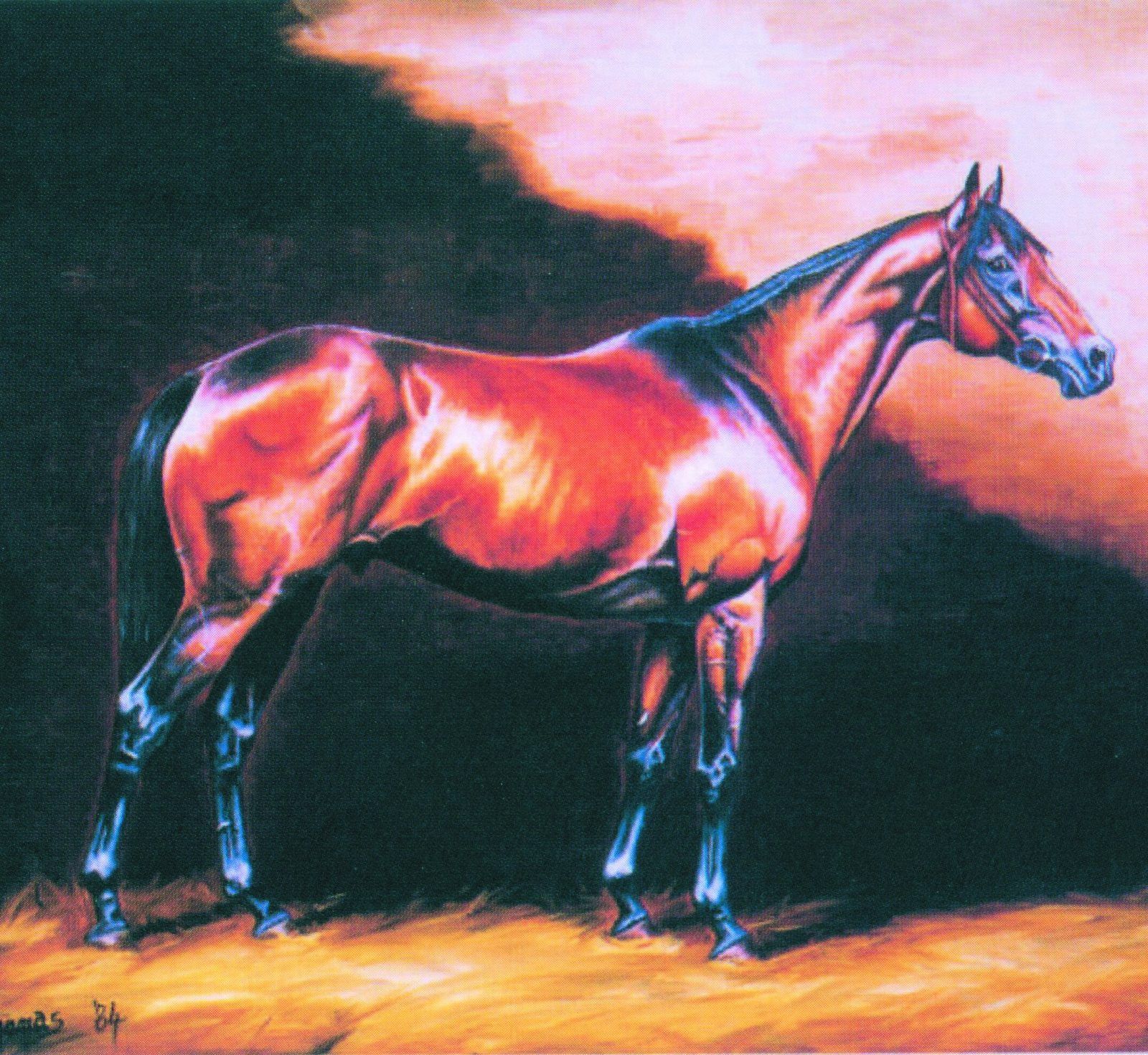
Tocal
It’s said that you should never let the truth get in the way of a good story. Tocal is known as the farm which produced four Melbourne Cup winners and is famed for being the employer of Captain Thunderbolt, Australia’s longest roaming bushranger.
The truth - Tocal bred two Melbourne Cup winners, and were associated with four, and yes, they did employ a young man named Fred Ward. When Charles Reynolds leased Tocal in 1844, he got a great deal. The farm had a reputation for ruining people, and it’d been empty for over a year before he arrived. Reynolds built a cattle farm with a few racehorses on the side, and it wasn’t until 1860 that the racehorses took over as the driving force at Tocal.
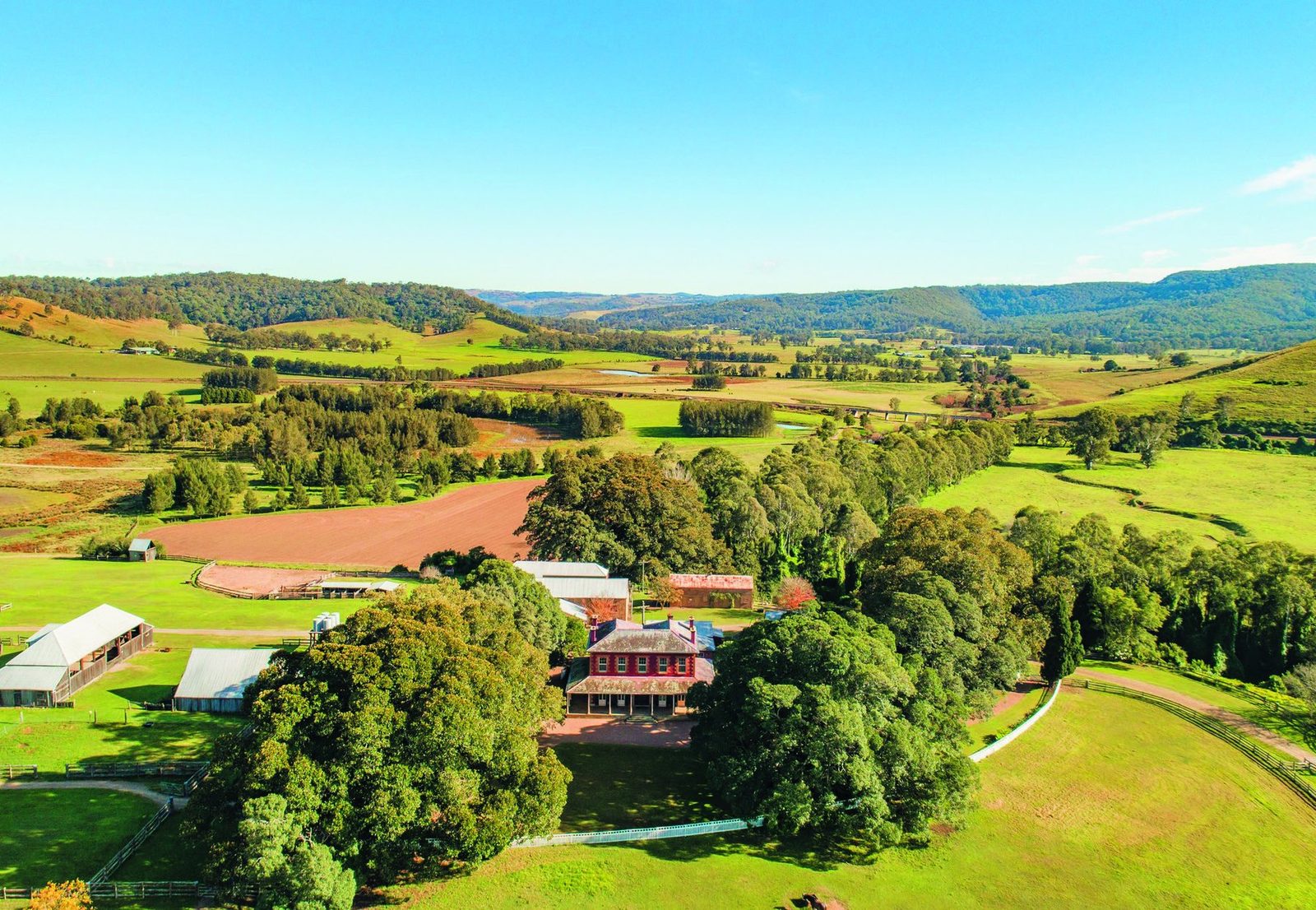
“Tocal … had then a most ill-omened name, obtained through being supposed to have ruined all the people who had tenanted it and endeavoured to make a living on it.” Charles Reynolds’ obituary in Empire, Sydney, Originally occupied by the Wonnarua people for 60,000 years, James Phillips Webber was granted 4600 acres along the Paterson River in 1822 in an area roughly halfway between Singleton and Nelson Bay on the coast. Webber named the property Tocal which was the Wonnarua word for ‘plenty’, although some sources say, ‘ducks aplenty’.
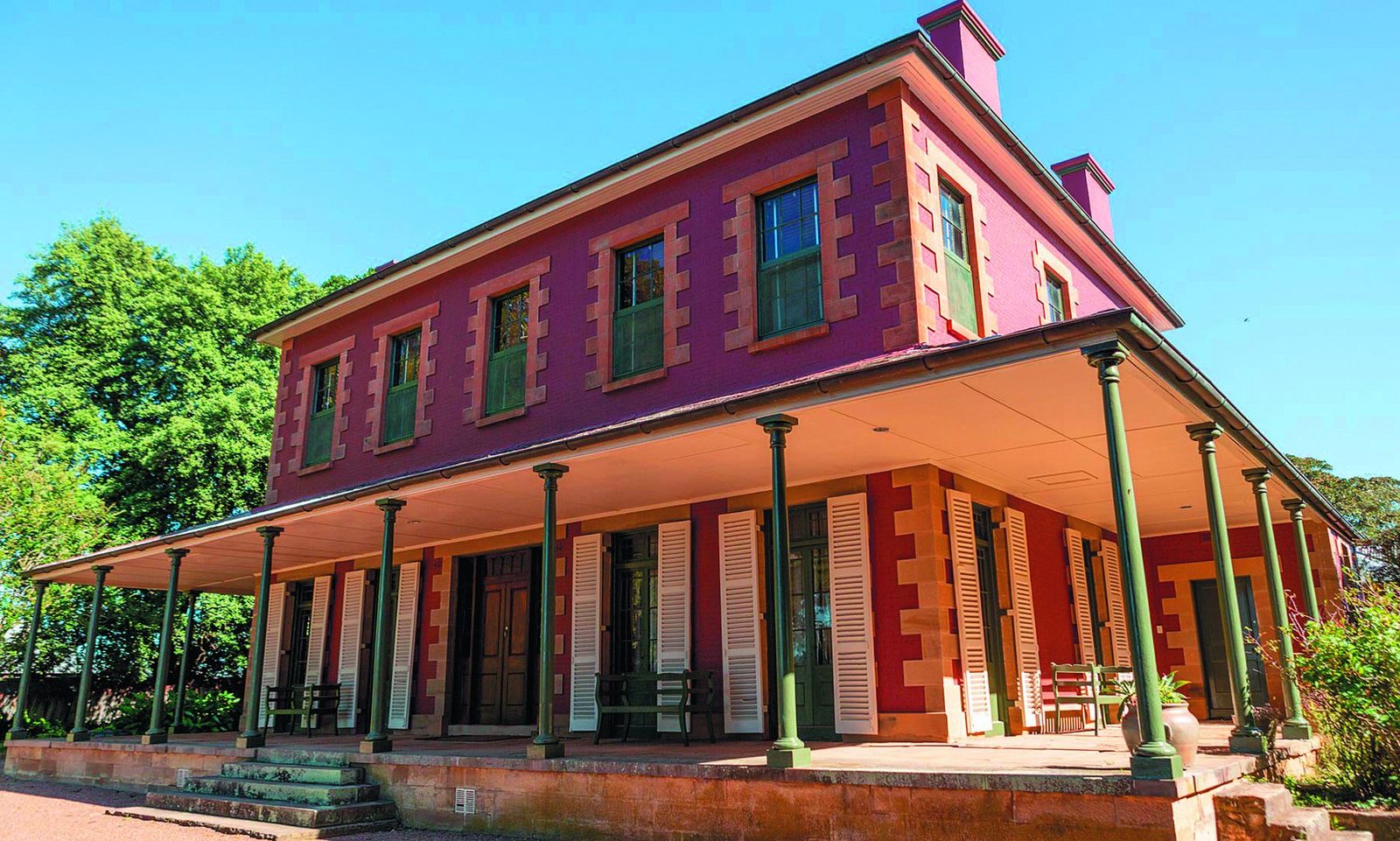
He built the homestead in 1826, a grand Georgian building of stone and locally made bricks, situated on the highest point of the land with the Paterson River at the rear and a large lagoon at the base of the hill to the front of the house. The current driveway sweeps past the lagoon and up the hill to the house. Webber sold Tocal to father/son duo Caleb and Felix Wilson in 1834, but Caleb died four years later, and his son Felix took over the ownership.
Initially, the Wilsons, who were Sydney based merchants, employed Ralph Clarke to manage Tocal, which would have been a difficult proposition as there was a severe drought from 1838 to 1840. Clarke moved on, and in 1842 the Wilsons signed a six-year lease with Richard Cobden and Gerald Henry Gibbons who planned to breed cattle. Cobden’s wife died shortly after signing the lease, and a year later, Cobden was listed as insolvent, likely due to Australia’s first banking crisis in the early 1840s.
The poor economy resulting from the crash sent many of the early settlers broke, including Australia’s first Thoroughbred stud, Glendon Farm. Cobden’s cattle were sold in 1843 and the lease was available again. It was at this point that Tocal’s reputation for ruining farmers came to light; a farm with such bad luck that no one would dare take it on. The farm lay empty for almost a year and Felix Wilson had to appoint the colonial architect, Edmund Blacket, to design a large barn to tempt a new leaseholder.
The barn, which wasn’t completed until 1850, and the quality of the alluvial land was enough to tempt Charles Reynolds into believing he’d have better luck than his predecessors. Charles Reynolds and his brother Richard came to Australia in 1840. Their father, Sir Thomas Reynolds (1764-1846) of Raddon Court in England had five sons (Thomas, Lewis, Charles, Frank, and Richard) and the family were acknowledged as fine breeders of sheep and of Devonshire cattle. The oldest son, Thomas took over Raddon Court, and the land was later held by his son Captain Sylvanus Reynolds, who owned tanneries and built a new mansion at Raddon Court in 1883 (which was demolished and replaced in 2000).
As younger sons, Charles and Richard needed to make their fortune elsewhere and the colony of NSW was their choice. Initially the brothers leased land on the Mooki River, but drought made this unviable, and Charles moved to a small farm at Louth Park near Maitland while Richard stayed at Mooki. Now aged 38, Charles Reynolds moved into Tocal in early 1844. He brought with him 300-head of cattle, purchased cheaply in 1843 from George Hobler, another settler who had gone bankrupt in the banking crisis.
These cattle were a mix of Tasmanian Herefords and Durham stock from the Segenhoe estate.
Reynolds threw himself into local society and people loved him. He was described as “a tall, attractive person with an outgoing nature. He had aquiline features and a commanding presence. He was a genial man of dignity and intelligence and a distinguished figure on horseback .” Reynolds imported two Devon bulls, Red Rover and Milland, from England, as well as a Hereford bull called Captain, who had won several prizes at agricultural shows in England.
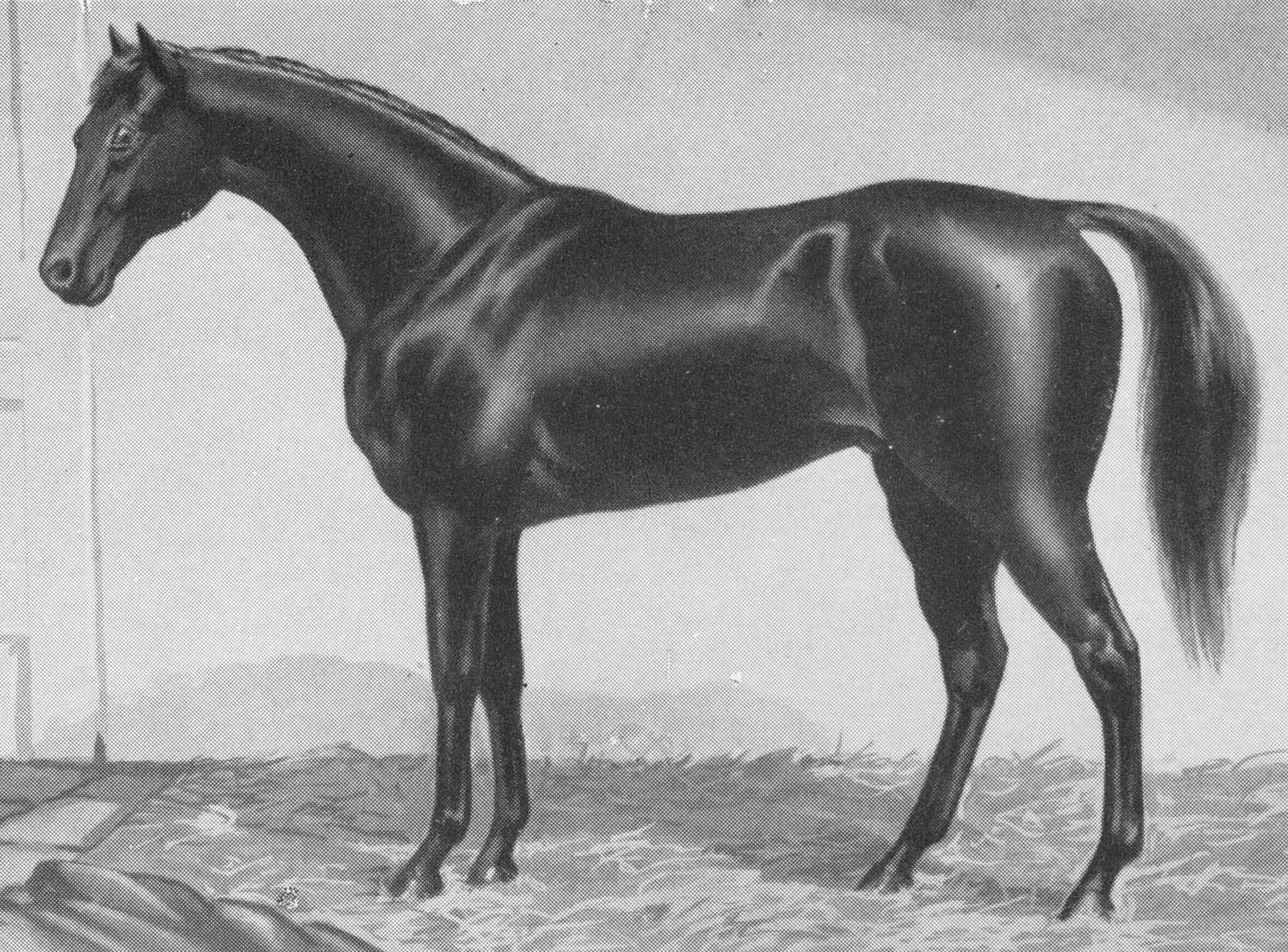
Unfortunately, Captain was killed by a snake at Tocal a few years later but not before he’d upgraded the Tocal herd. Reynolds was elected to the committee of the inaugural Hunter River Agricultural Association in January 1844, and in April, they held their first show and Reynolds’ cattle created a lot of interest. In September 1844, he married his next- door neighbour, Frances Dun whose father owned Duninald directly across the Paterson River from Tocal.
Frances was a superior horsewoman and cattle breeder, as well as an astute property manager, having run Duninald while her father focused on his hobby of breeding roses. The original Duninald homestead, built in 1821, is mostly likely the oldest surviving homestead in the lower Hunter Valley and the farm still runs cattle. The first stallions to stand at Tocal were Aaron, Akbar, Pioneer, and Young Hercules, and in 1845 Reynolds added Gratis. Reynolds was appointed the judge for the Maitland Races meeting of August 1845, and used the meeting to advertise his stallions.
From there, Charles and Frances Reynolds, along with their convict servants led by foreman John Kidd, slowly built up Tocal’s reputation as cattle breeders, while also keeping several Thoroughbred stallions and broodmares. They purchased Tammerlane from the Glendon Farm dispersal in 1844 and stood the good sire Cossack in the 1850s who sired five major race winners including The Don who returned to stand at Tocal. Their success with cattle allowed them to buy Duninald when Frances’ father was on the verge of bankruptcy.
By 1860, Charles Reynolds was 54 years old, and Frances had just given birth to their fifth and final child. They had broken the Tocal curse with a spectacularly successful cattle business, and now Charles invested more heavily in his racehorses. By 1861, Australia’s settler population had reached 1.2million thanks to the gold rushes in NSW and Victoria, and it was the beginning of a local economic period referred to as the ‘long boom’ which continued until 1890 when the impact of the European 1873 economic crash and subsequent long recession in Europe finally made in-roads to the gold rush and sheep profits of Australia.
For Tocal, the 1860s must have been thrilling. They stood New Warrior, who sired three Melbourne Cup winners in a five year period (one of them bred at Tocal), but it was for less savoury reasons that the farm would go into the annals of Australian history thanks to Captain Thunderbolt. Fred Ward came to work at Tocal in 1853 as horseman, and in April 1856, 45 horses were
Table
Table
Hand-built in print — rebuild before publishing
stolen from Tocal and the nearby farm Bellevue owned by William Zuill. Fred Ward, along with his nephews, John and James Garbutt, were sentenced to ten years of hard labour at Cockatoo Island. In 1860, only four years into his sentence, Ward was released due to good behaviour on the condition he stay in the Mudgee region. He did not. He met up with his wife, Mary Ann Bugg (a Worimi bushranger), and together they travelled to her white father’s farm near Dungog.
Ward rushed back to Mudgee, allegedly on a stolen horse, to meet his supervisor and prove he’d adhered to the conditions of his release but missed his appointment and was sent back to Cockatoo Island, this time to serve his remaining six years plus an additional three years for not fulfilling the terms of his early release. Ward’s old employer, Charles Reynolds advertised a new stallion for Tocal in 1863. Freetrader came highly credentialed as the 1856 Grand National winner and was the first of five Grand National winners for jockey George Stevens.
Freetrader won at least eight races, most of them over hurdles, and The Ba he was sold to Australia for an unknown sum after being pulled up in his third run in the Grand National in 1857. While Freetrader was having his first season at Tocal in 1863, back in Sydney, Fred Ward and Frederick Brittian hatched a plan to escape Cockatoo Island. They escaped in September 1863, and in October, Ward was shot in the knee by police near Big Rock, south of Uralla (now named Thunderbolt’s Rock).
In December, he robbed the toll-bar operator at Rutherford, near Maitland, calling himself Captain Thunderbolt. The toll operator later claimed that he’d invented the name, perhaps to cover how easily he’d been overpowered. In December 1864, there was a report in the Police Gazette that Ward returned to Tocal to steal more horses, and it is in this visit that he is believed to have stolen Freetrader. Freetrader was only advertised by Tocal for the 1863 and 1864 seasons, disappearing from their advertising in 1865.
From 1865 until Age Runs 1st 2nd 3rd Notes Captain Thunderbolt was shot and killed by police in May 1870, Fred Ward became the best-known bushranger in New South Wales with a long list of robberies to his credit. And what better horse to do this on than one who’d competed in the tough Aintree Grand National on three occasions, winning once, and placing second another time. In 1864, Charles Reynolds had the opportunity to purchase the promising stallion New Warrior who had stood his first two seasons at the Horse and Jockey Inn in Jerry’s Plains before being purchased by Mr Hassall and Mr Roberts of Exeter Farm and had seven crops of foals before arriving at Tocal.
Although local legend says that Tocal bred four Melbourne Cup winners, it was ‘only’ two, as New Warrior was not standing at Tocal when his first two Cup winners Tim Whiffler and Warrior were born. Tocal did breed New Warrior’s Melbourne Cup winner The Pearl. Regardless, Ascot Triennial Stakes Grand Plate, Wrexham Consolation Stakes k Hurdle, Birkenhead Hurdle a ‘good field’), Forced Handicap tree Grand National Grand National up in Aintree Grand National and sold the purchase of New Warrior was astutely done, as he was a young horse with only one Principal race winner at the time, Tarragon, although he had several good types racing and was deemed by the papers to be a promising stallion. (Sydney) Tim Whiffler was born in 1862 and Warrior was born in 1863, and they had not raced at the time of Reynold’s purchase of New Warrior.
The Reynold’s had a hint that they’d made a great decision when Rapidan won the 1866 Epsom Handicap, and the (Sydney) Tim Whiffler won the 1867 Melbourne Cup, but it was New Warrior’s son Warrior who put his sire on the map. Warrior lived up to his name with 26 wins from 67 starts including the 1869 Melbourne Cup. Tim Whiffler was still racing at the same time and won the 1870 and 1871 All-Aged Stakes among many other wins.
Tocal invested their good fortunes into standing the Champion racehorse The Barb, who stood his first season at Tocal in 1869, but sadly Charles Reynolds died in a riding accident before the Tocal bred progeny of New Warrior really hit their straps. It was September 1871, and Reynolds was riding home to Tocal, a routine ride, when his horse spooked and dragged him some distance. The horse returned to Tocal, and a search party was sent out.
Reynolds was discovered on the side of the road, unconscious, and taken by buggy back to Tocal. He died three days later. Frank, the oldest son of Charles and Frances, had been married a year prior to Jeanette Rens Cory whose parents owned three major farms; Vacy, Cory Vale, and Gostwyck. Charles and Frances’ second son, twenty-year- old Sidney, took over the management of Duninald, while their daughter Emily was
Table
Table
Hand-built in print — rebuild before publishing
sixteen, Percy was thirteen, and Walter only eleven at the time of Charles’ death. The Tocal bred New Warrior progeny really began to show their prowess after the death of Charles Reynolds with eleven Principal Race winners, such as 1871 Melbourne Cup winner The Pearl, 1871 Epsom Handicap winner Captain Cook, 1872 Epsom Handicap winner The Count, 1872 Sydney Cup winner The Prophet, and 1875 Doncaster winner Priam. New Warrior was a twenty-year-old horse when Charles died.
All hopes rested on The Barb to be a replacement for New Warrior. Unfortunately, the champion racehorse was a disappointment at stud, leaving only four major race winners. Racing and stud book records of this time often mix up Frank and his mother Frances, although it is likely that most of the horses were in Frank’s name because he was a man. Frank and Frances added The Drummer to the Tocal roster and purchased the proven sire Kelpie to add to their roster in around 1872.
The Drummer was a resounding success, with sixteen major race winners. By now, the Tocal bred yearlings were highly sought after at the Sydney sales, and Tocal was one of the best studs in Australia. The first Easter Yearling sale was held by AJC Secretary Mr Clibborn in 1874, assisted by auctioneer Mr George Kiss. Prior to this, Mr Kiss had run a mixed auction in Pitt St, which had previously been Burt & Co, whose roster of sales included an autumn sale of all ages of Thoroughbreds.
The 1874 Easter sale at Randwick featured three Tocal yearlings, with Rifleman (The Barb-Iris, by Freetrader) making 170 gns, while the other two sold cheaply for 57 and 25 gns each. For context, the sale topper was the Fernhill sold Yattendon filly from Quickstep who was bought by John Eales (of Duckenfield Park) for 520 gns. Tocal’s biggest draft of 39 yearlings was in 1876, and they consistently took around 20 yearlings to Sydney each year after that. And then came Goldsborough. Born in 1870 he came to Tocal after winning the St Leger, where he sired 23 major race winners, including Tocal’s second Melbourne Cup winner Arsenal, who won the 1886 Cup.
The 1880s and 1890s were huge for Tocal with successful stallions Sweet William, Splendor, Medallion, and Simmer all joining Goldsborough. Frances died in 1900, leaving a complicated will that required the dispersal of everything, and her sons ended up buying all the bloodstock back at auction. Frank took over the lease on Tocal, while Sidney continued to run Duninald. Percy Reynolds used his share of his mother’s estate to purchase Hobartville Stud from Andrew Town, as well as the stallion Simmer from the Tocal dispersal sale.
Walter purchased Camyr Allyn and Trevallyn, while daughter Emily, who had married Mr McDougall in 1882, used her share of the estate to buy Molleen, a sheep station. From 1900, Frank was solely in charge at Tocal, but the farm never stood another top-class stallion, a result that makes a great case for his mother being the true horseman of the partnership. His imported horse Sir Tristram arrived with massive expectations since he was by Bend Or out of a full sister to St Simon, but he only left four major race winners, while Knightlight and Don Reynaldo were also disappointing.
In 1907, the lease at Tocal finally ended with the new owner of Tocal, selling to Frank, who ran the property until his death in 1920. His oldest son, Darcy, inherited Tocal, and he sold the farm in 1926. After the Reynolds era, Tocal was purchased Isabella, Robert, Jean and Charles Alexander with Charles the only remaining member by 1939. When he died in 1947, his will was so complicated, it took sixteen years to unravel.
Eventually, his idea of using the farm as an agricultural school came into being, and it was initially run by the Presbyterian Church, until the NSW Department of Education took over management in 1970. The Tocal Agricultural College still operates on the land which once produced two Melbourne Cup winners, several champion stallions, and countless stakes winners. If the Reynolds family had a cemetery for their champion horses, it is now lost, with rumours that it was behind the stable block on land that has now subsided into the Paterson River.
The original homestead and stables are open to the public every Sunday. BBBB